Everything About
Osteopathy
Service
The Holistic Form of Therapy
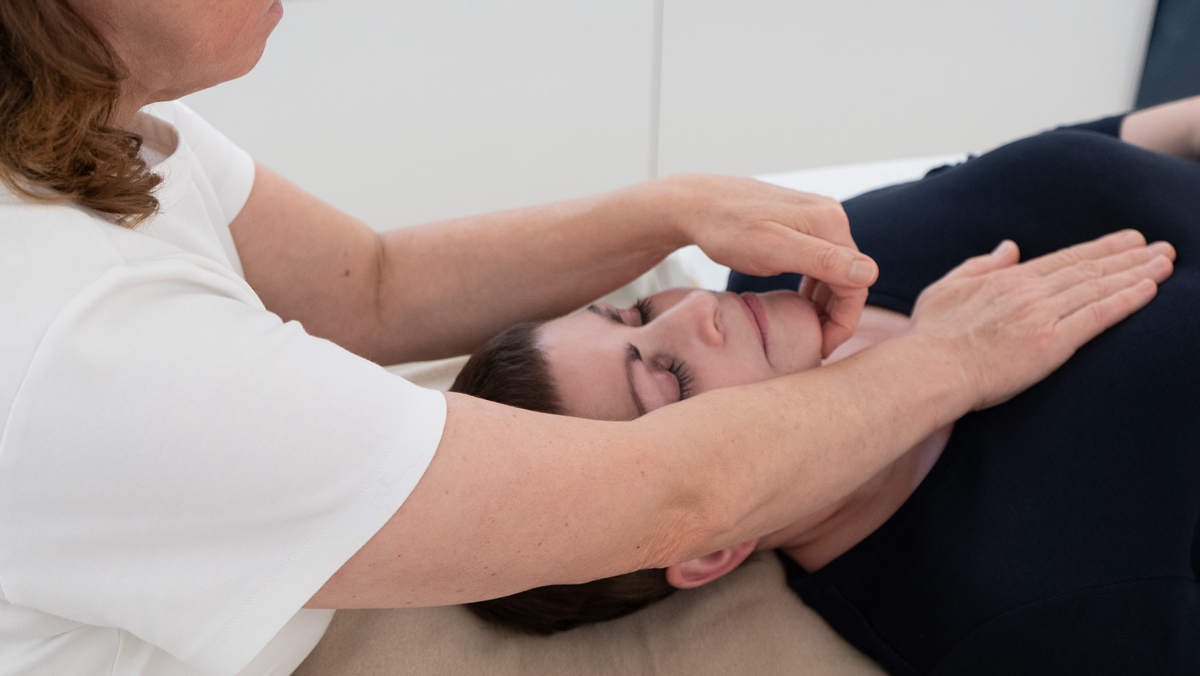
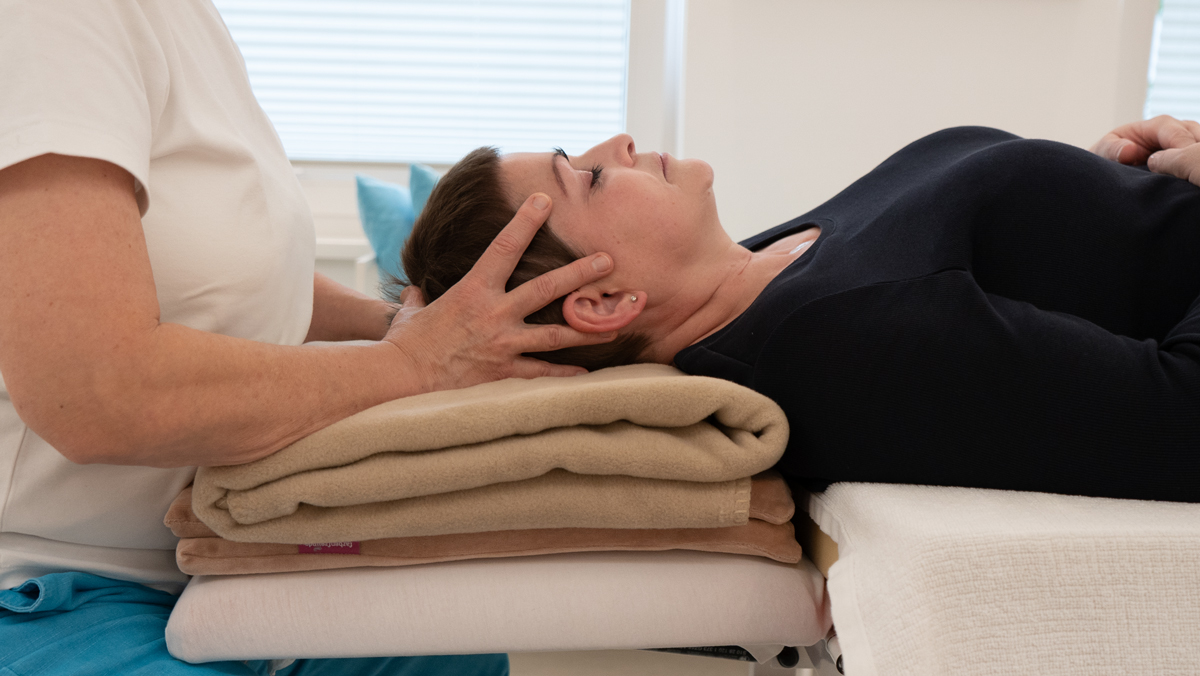
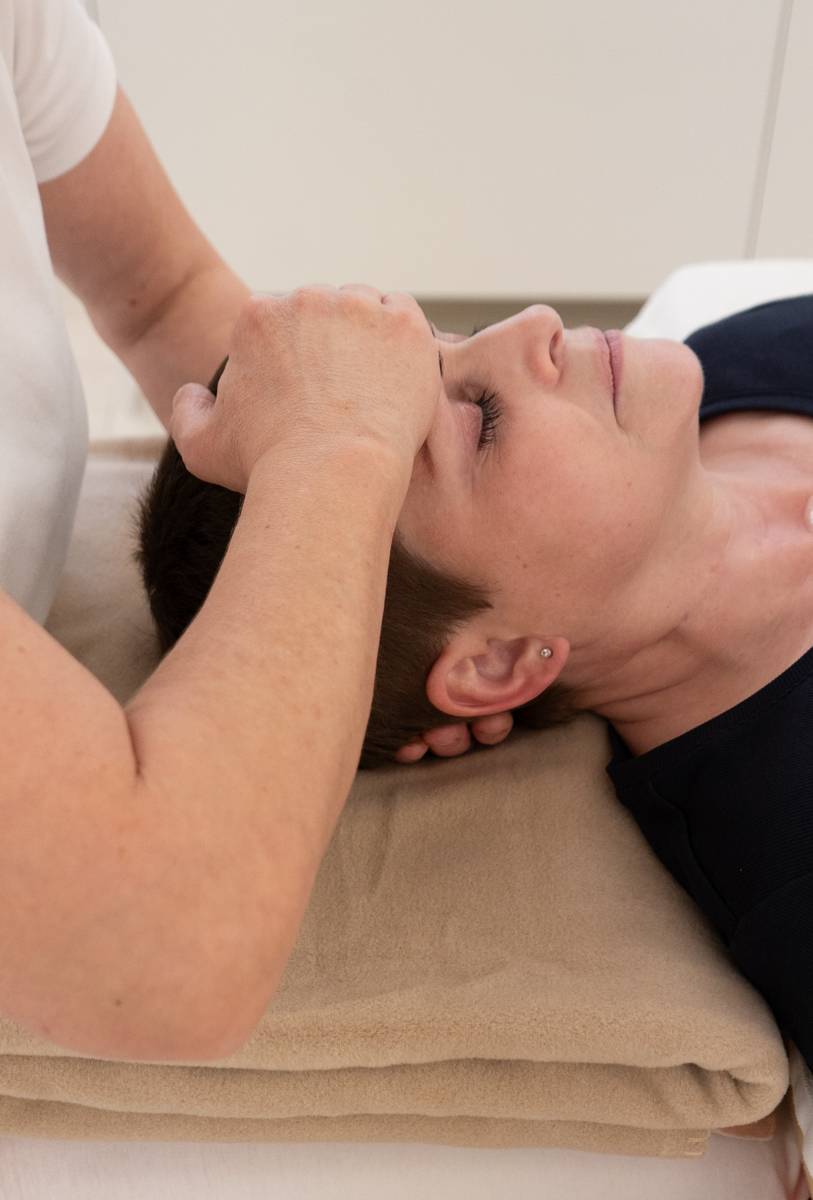
Osteopathy is a holistic form of therapy characterized by its manual treatment method. It is based on the belief that the body possesses an innate ability to heal itself and that all bodily systems are interconnected. This therapeutic approach does not view a person in isolation but as a complex interaction of physical, emotional, and environmental factors. Osteopathy is divided into several branches, each addressing specific aspects of the human body.
Osteopathy
Branches
History
Andrew Taylor Still
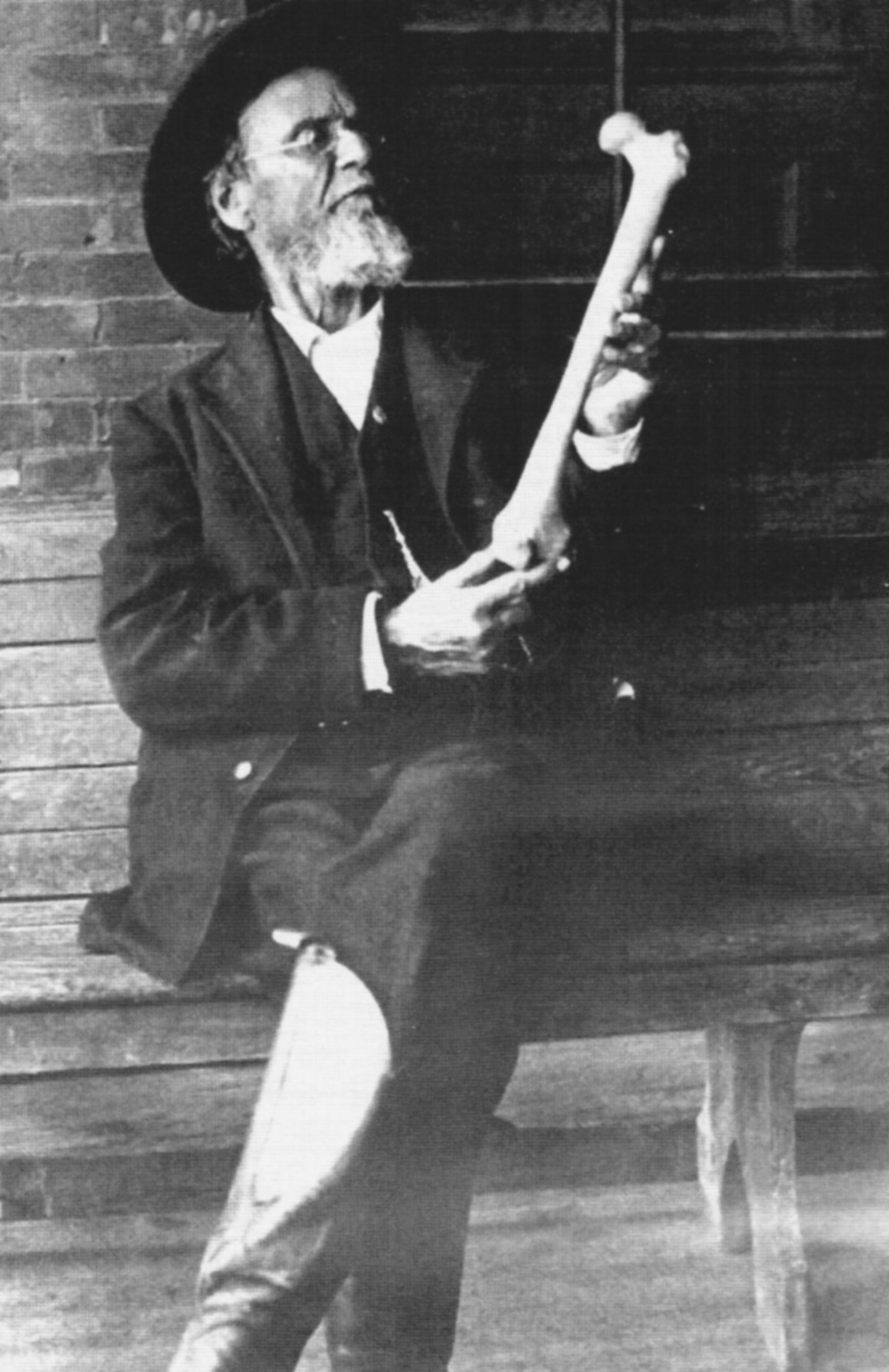
The origins of osteopathy can be traced back to the American physician Andrew Taylor Still, who developed the foundations of this therapy in the late 19th century. Still believed that many diseases stem from dysfunctions within the musculoskeletal system and that manual treatment of these dysfunctions could restore health. This philosophy remains central to osteopathic practice today, which aims to identify and treat the root causes of pain and functional disorders.
Method
Gentle Help for a Wide Range of Conditions
Osteopathy is used to treat a wide variety of conditions, including problems of the musculoskeletal system such as back pain, joint discomfort, and muscle tension. It is also used for functional disorders of internal organs such as digestive or respiratory problems. Furthermore, osteopathy can play a supportive role in cases of jaw dysfunction (TMJ), headaches, breathing difficulties, depression, and autonomic nervous system imbalances.
Diagnosis
A Holistic View of the Body
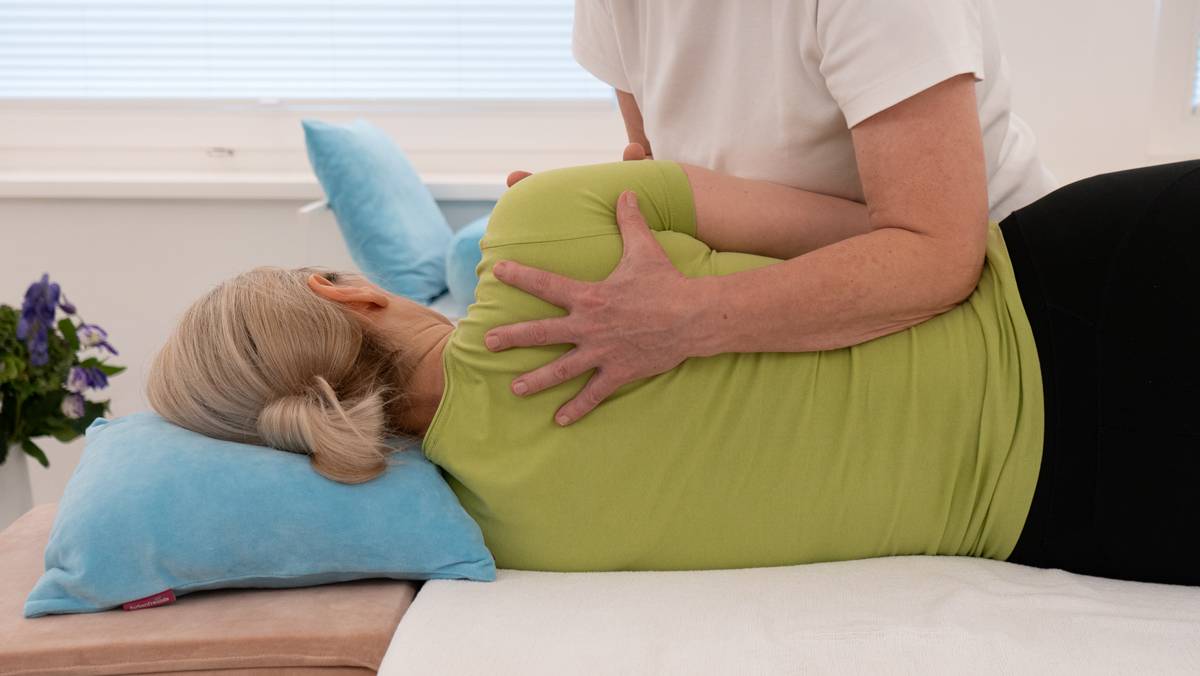
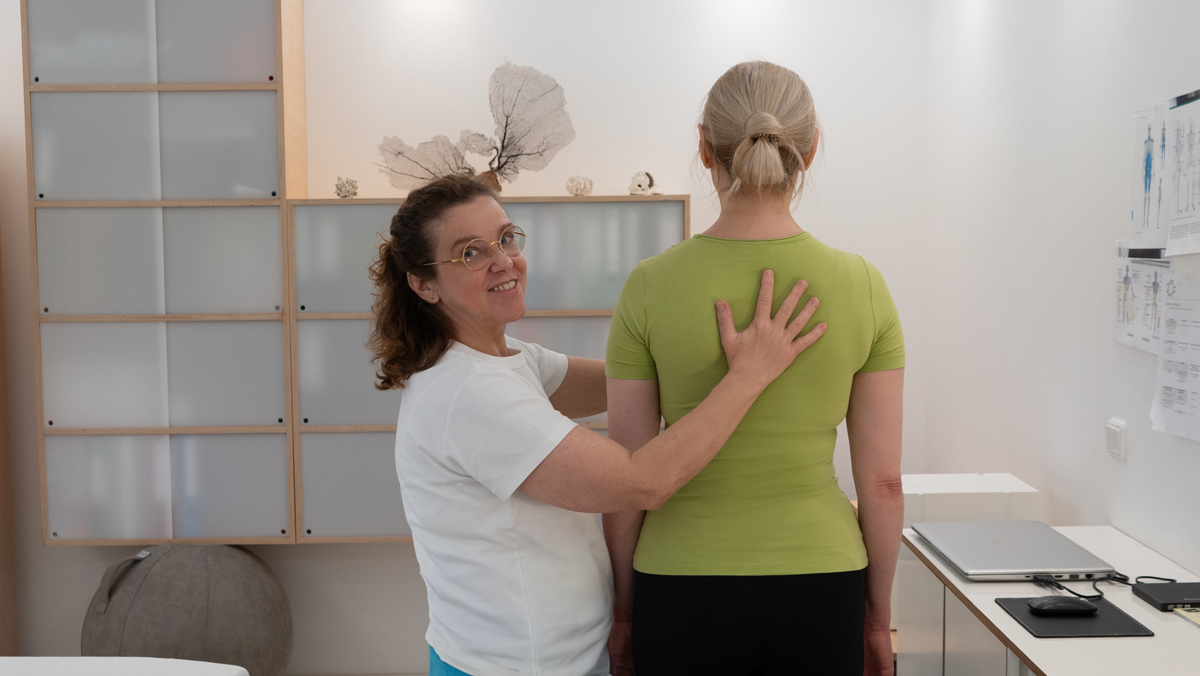
Diagnosis in osteopathy is carried out through a comprehensive examination in which the therapist analyzes the body’s mobility and tension patterns. This helps identify the underlying causes of symptoms, which may be located in a different area of the body than where the pain is felt. For instance, foot pain might originate in the pelvis, shoulder pain could be related to the jaw joint or liver, and stomach discomfort may stem from issues in the thoracic spine.
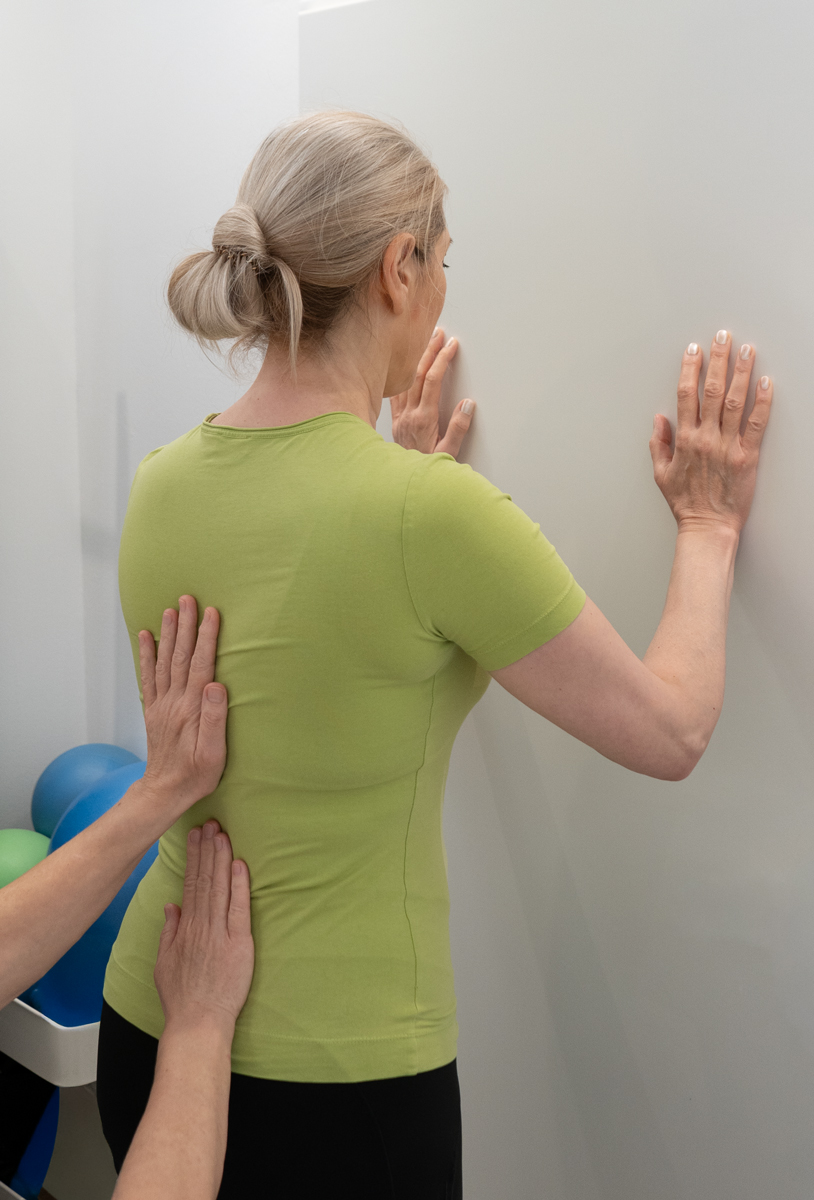
Treatment is carried out using specific techniques tailored to the patient’s individual needs. These may include gentle stretching, mobilizations, and other manual methods aimed at improving mobility and relieving pain. Osteopathy has become a recognized therapeutic discipline in many countries and is practiced by qualified therapists who have completed extensive training.
Overall, osteopathy represents a valuable complement to conventional medicine by offering an integrative approach to the treatment of pain and dysfunction. By considering the entire body and its interconnections, osteopathy promotes not only physical health but also the general well-being of patients.