All About
Dizziness Therapy
Alles Über
Schwindeltherapie
Service
Back to Balance
Dizziness therapy is a highly specialized field within physiotherapy that focuses intensively on the diagnosis and treatment of dizziness and balance disorders. Dizziness can have a wide range of causes, such as inner ear disorders, neurological diseases, eye problems, side effects of medications, and muscular issues in the cervical spine. For patients, dizziness can significantly impact quality of life, which is why thorough therapy is essential.
Under the Microscope
Causes of Dizziness
The causes of dizziness are complex and may involve different systems within the body. The most common causes include:
Inner Ear Disorders:
• Meniere’s disease
• Vestibular neuritis affecting the balance system of the inner ear
• Acoustic neuroma
• Positional vertigo
Neurological conditions, such as multiple sclerosis or strokes can also cause dizziness by damaging the neural structures responsible for balance.
Muscular problems, tension, or poor posture in the neck and back muscles (e.g., whiplash injuries or high cervical strain) can influence balance.
Sensorimotor disorders, such as polyneuropathy.
Psychogenic disorders, including psychosomatic illnesses, anxiety disorders, depression, and post-traumatic stress disorder.
Dizziness Therapy
Therapeutic Approaches
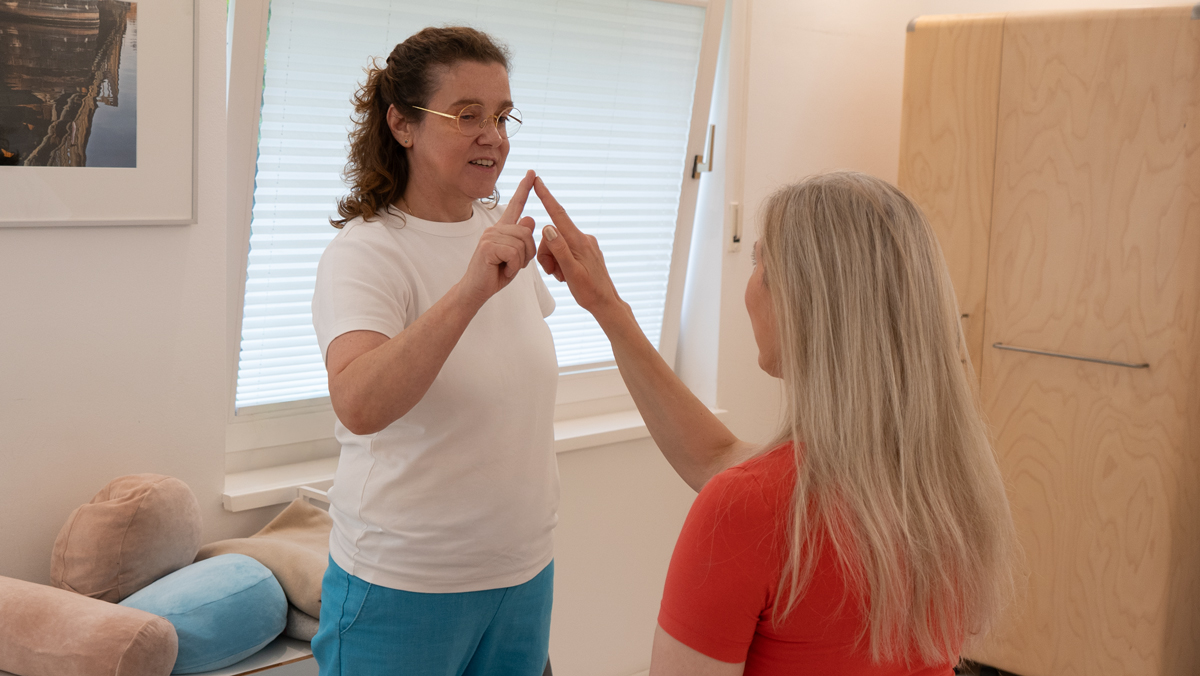
Treatment of dizziness often involves vestibular rehabilitation to stabilize the patient’s balance system. This form of therapy is tailored individually to the diagnosis and the patient’s specific needs. Key components of the therapy include:


Goal
Individual, Effective, Sustainable
Dizziness therapy represents an important subfield of physiotherapy, encompassing both preventive and rehabilitative approaches. Through the combination of vestibular exercises and osteopathic techniques, patients can be effectively supported in reducing dizziness symptoms and improving their long-term quality of life. Individualized therapy planning is crucial to success and should always be tailored to the patient’s specific needs.